Introduction
A recent surge in phishing attacks leveraging QR codes and device code abuse has put personal and financial information at risk, highlighting the evolving nature of cyber threats. According to Bleeping Computer, scammers have been using fake traffic violation texts with QR codes to trick recipients into divulging sensitive data, marking a new trend in phishing tactics. This shift in strategy underscores the importance of increased user awareness and robust security measures to combat these sophisticated attacks. As phishing continues to be a major threat vector, understanding the latest tactics and implementing effective countermeasures is crucial for protecting against financial theft and identity compromise.
The impact of these attacks can be severe, with victims facing potential financial loss, compromised personal data, and the inconvenience of having to monitor their accounts closely for any suspicious activity. Moreover, the ease with which attackers can distribute these phishing campaigns, thanks to the spread of new kits online, makes them particularly dangerous. It's essential for users and security practitioners alike to grasp the technical underpinnings of these threats and to adopt proactive strategies to mitigate their effects.
Surge in Phishing Attacks Using QR Codes and Device Code Abuse
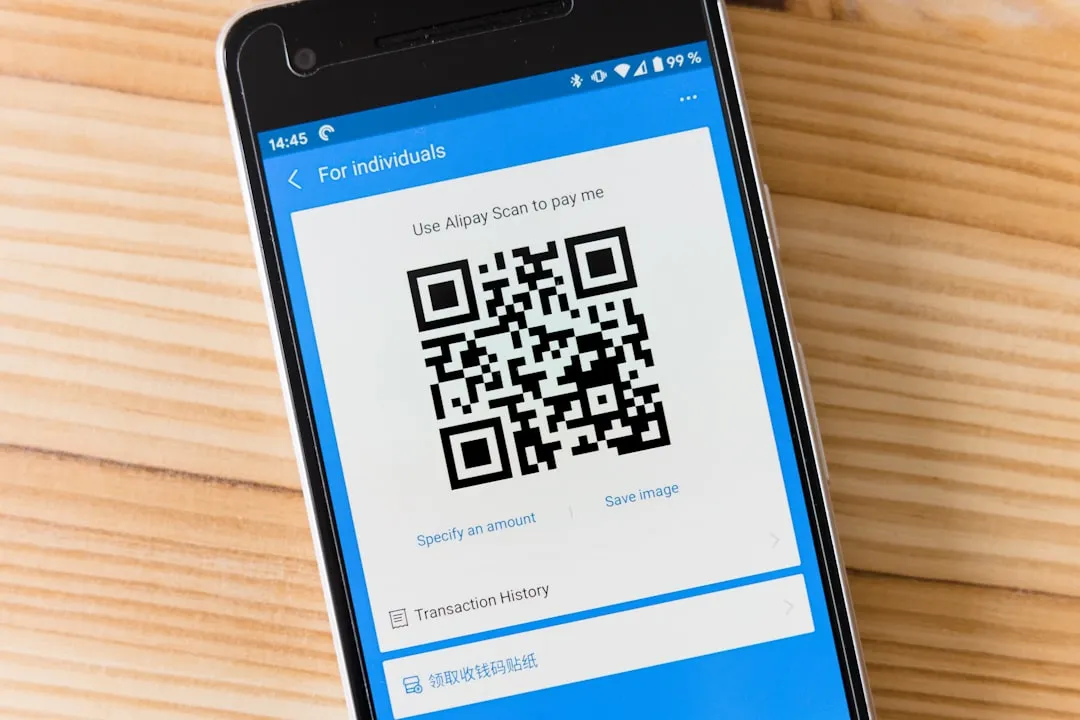
The use of QR codes in phishing attacks has become increasingly prevalent, with scammers exploiting the convenience and perceived safety of these codes to deceive victims. Bleeping Computer reports that fake "Notice of Default" traffic violation text messages have been sent to recipients, pressuring them to scan a QR code that leads to a phishing site demanding a $6.99 payment while stealing personal and financial information. This tactic not only steals sensitive data but also directly targets the victim's finances.
In addition to QR code phishing, device code abuse has seen a significant surge, with attacks increasing by 37 times this year, as reported by Bleeping Computer. These attacks exploit the OAuth 2.0 Device Authorization Grant flow to hijack accounts, highlighting the vulnerabilities in authorization mechanisms that rely on device codes. The spread of new kits online has contributed to this surge, making it easier for attackers to carry out these sophisticated phishing campaigns.
The technical mechanism behind device code abuse involves manipulating the OAuth 2.0 protocol, which is widely used for authorization. Specifically, attackers exploit the Device Authorization Grant flow, designed for devices with limited input capabilities (like smart TVs), to trick users into granting access to their accounts without realizing it. By understanding how OAuth 2.0 works and implementing additional security measures such as PKCE (Proof Key for Code Exchange), developers can reduce the risk of these attacks.
The phishing sites used in these scams are designed to appear legitimate, often demanding a small payment while simultaneously stealing valuable personal and financial information. This dual approach not only increases the potential financial gain for the attackers but also expands their capabilities for future malicious activities, such as identity theft or further targeted attacks. The sophistication of these phishing campaigns is evident in their ability to mimic legitimate services closely, making them difficult to distinguish from genuine communications.
Technical Details and Affected Systems
The QR code phishing attacks typically involve sending unsolicited texts or emails with a QR code that, when scanned, directs the user to a malicious website. These sites are often crafted to look like official pages, such as those of banks, government agencies, or well-known services, aiming to trick victims into entering sensitive information like login credentials, credit card numbers, or social security numbers.
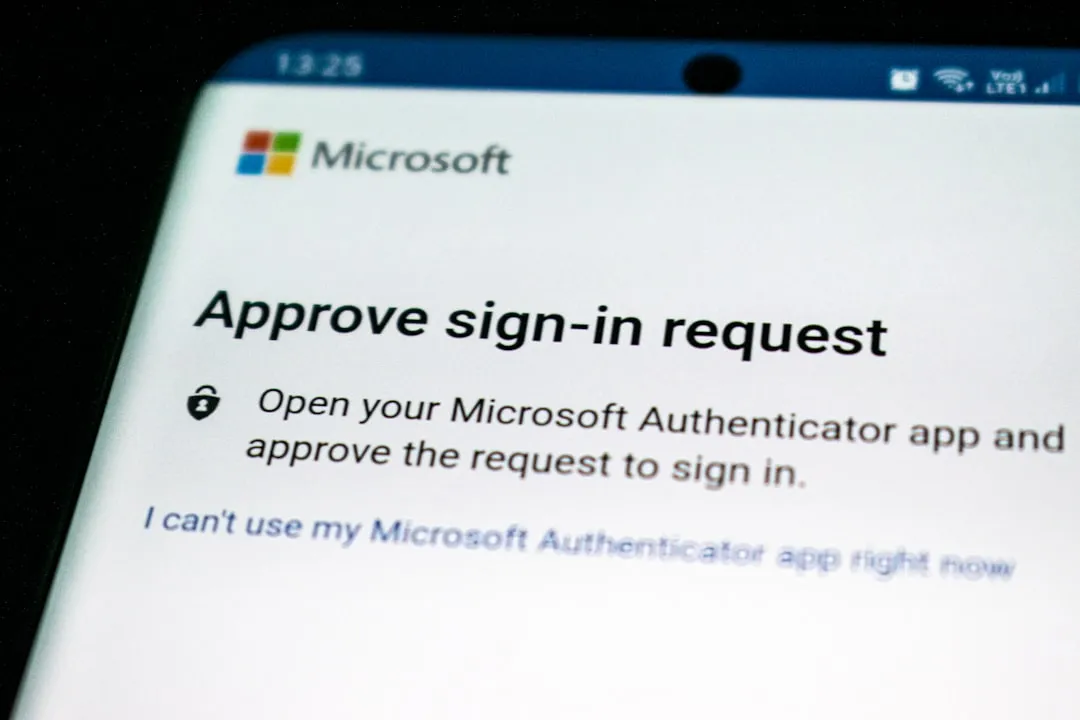
Device code phishing attacks, on the other hand, exploit the OAuth 2.0 Device Authorization Grant flow by tricking users into authorizing access to their accounts. This can happen when a user is prompted to visit a URL and enter a code displayed on their device, which in reality grants the attacker access to their account. The affected systems include any that utilize OAuth 2.0 for authorization, which encompasses a wide range of services from social media platforms to cloud storage solutions.
Understanding the technical aspects of these attacks is crucial for developing effective mitigation strategies. For instance, recognizing how QR codes can be used maliciously can lead to better practices around their use, such as verifying the source before scanning. Similarly, comprehending the OAuth 2.0 protocol and its vulnerabilities can inform the development of more secure authorization mechanisms.
Recommendations and Takeaways
Given the surge in phishing attacks utilizing QR codes and device code abuse, it is essential for users to exercise extreme caution when receiving unsolicited texts or emails containing QR codes. Never scan a QR code from an unknown source, as this could lead directly to a phishing site designed to steal personal and financial information. Implementing two-factor authentication (2FA) can significantly enhance security by adding an additional layer of verification, making it more difficult for attackers to gain unauthorized access to accounts.
Keeping software up to date is also crucial in preventing device code phishing attacks. Ensure that all devices and applications are running the latest versions, as updates often include patches for known vulnerabilities that could be exploited by attackers. Being aware of the latest phishing tactics and understanding how they work can empower users to take proactive steps in protecting their personal and financial information.
Moreover, organizations should consider implementing additional security measures such as security awareness training for their employees, which can help in recognizing and reporting suspicious activities. Regularly monitoring system logs for signs of unauthorized access or other malicious activity is also vital. By adopting a multi-layered approach to security that includes technical, procedural, and awareness-driven components, organizations can significantly reduce the risk posed by QR code and device code phishing attacks.
Action Items for Security Practitioners
- Educate Users: Conduct regular training sessions to educate users about the dangers of phishing attacks, especially those using QR codes and device code abuse.
- Implement 2FA: Enforce two-factor authentication across all platforms to add an extra layer of security against unauthorized access.
- Keep Software Updated: Ensure that all software is updated regularly to patch vulnerabilities that could be exploited by attackers.
- Monitor for Suspicious Activity: Regularly monitor systems and accounts for signs of suspicious activity that could indicate a phishing attack.
- Use Secure Communication Channels: Encourage the use of secure communication channels for sharing sensitive information, reducing the risk of interception by attackers.
- Implement PKCE: For developers, implementing Proof Key for Code Exchange (PKCE) can help mitigate the risks associated with OAuth 2.0 device code abuse.
- Conduct Regular Security Audits: Perform comprehensive security audits to identify and address potential vulnerabilities in systems and applications.
By prioritizing these action items and maintaining a vigilant stance against phishing attacks, both individuals and organizations can protect themselves from the evolving threats posed by QR code and device code abuse, ensuring a safer digital environment for all. The key to mitigating these risks lies in a combination of technical security measures, awareness, and proactive strategies to stay ahead of the threat landscape.