Introduction to Today's Threat Landscape
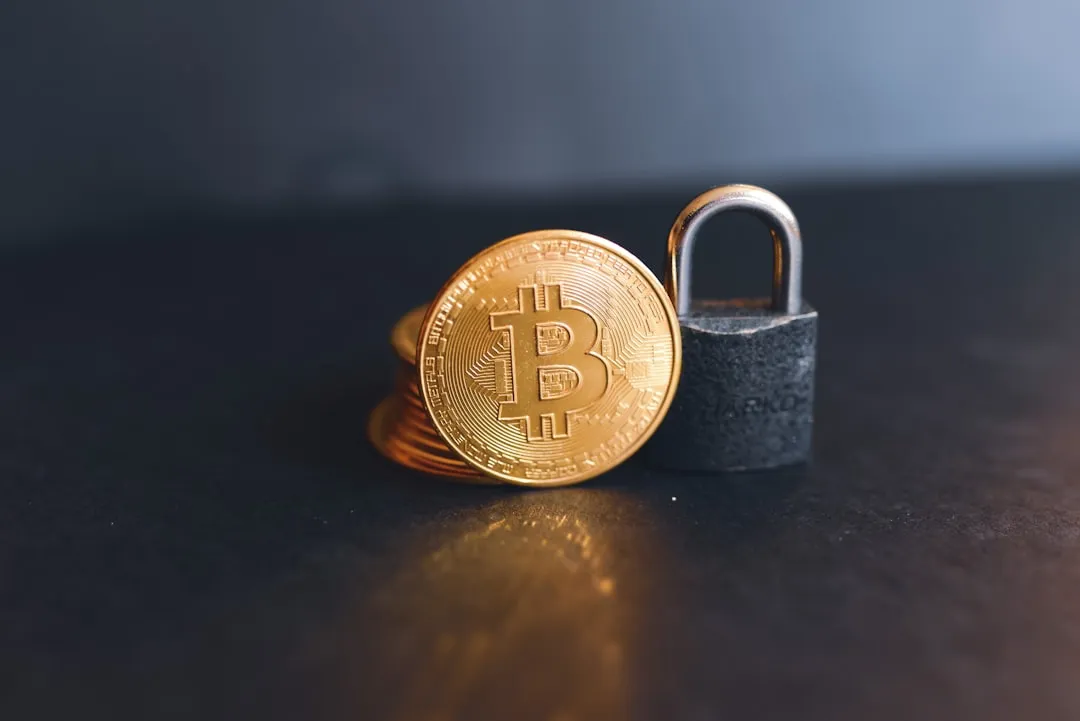
A recent hack of Bitcoin Depot's crypto wallets resulted in the theft of $3.6 million in Bitcoin, as reported by BleepingComputer. This incident is one of several recent breaches that have exposed sensitive information and highlighted the need for robust cybersecurity measures. Other notable incidents include a breach of the LAPD's city attorney system, which exposed 7.7 terabytes of sensitive data, including information about crime victims and witnesses, according to The Record. Additionally, Eurail suffered a data breach that affected 300,000 people, with hackers stealing names and passport numbers, as reported by SecurityWeek.
The LAPD breach is particularly concerning due to the sensitive nature of the exposed data. This type of information could be used for malicious purposes, such as identity theft or extortion. The breach highlights the need for law enforcement agencies to prioritize cybersecurity and implement robust measures to protect sensitive information. Similarly, the Eurail breach demonstrates the potential consequences of a data breach, including the exposure of personal data that could be used for identity theft or other malicious activities.
Data Breaches and Financial Losses: A Growing Concern
The recent data breaches have resulted in significant financial losses. For example, Bitcoin Depot lost $3.6 million worth of Bitcoin after its crypto wallets were hacked, as reported by BleepingComputer. This incident highlights the potential for cyber attacks to result in substantial financial losses. The LAPD breach exposed sensitive information, including data about crime victims and witnesses, which could have severe consequences for those individuals. Similarly, Eurail's data breach compromised personal data, including names and passport numbers, which could be used for identity theft or other malicious purposes.
The breaches demonstrate the potential for significant financial losses and exposure of sensitive information, emphasizing the need for organizations to prioritize cybersecurity. The Bitcoin Depot hack involved the transfer of more than 50 bitcoin from the company's wallets after attackers stole credentials, as reported by SecurityWeek. This incident highlights the importance of secure authentication protocols and regular monitoring of systems for suspicious activity. The Eurail data breach occurred in December 2025, highlighting the potential for delayed discovery of security incidents, according to SecurityWeek.
Technical Details of the Breaches
The LAPD breach involved a vulnerability in the city attorney system, which allowed attackers to gain access to sensitive information. The breach exposed 7.7 terabytes of data, including information about crime victims and witnesses. The Eurail breach involved a hack of the company's website, which allowed attackers to steal names and passport numbers from the European travel company's network.
The Bitcoin Depot hack involved a vulnerability in the company's crypto wallets, which allowed attackers to transfer bitcoin from the company's wallets after stealing credentials. The hack resulted in the theft of $3.6 million worth of Bitcoin, highlighting the potential for significant financial losses due to cyber attacks.
Mitigation Guidance
To protect against data breaches and financial losses, organizations should implement robust cybersecurity measures, including encryption and secure authentication protocols. Regular monitoring of systems for suspicious activity and performing security audits to identify vulnerabilities are also crucial. Educating users about the importance of cybersecurity and the potential consequences of data breaches can help prevent such incidents. Developing incident response plans to quickly respond to and contain breaches is essential for minimizing the impact of a cyber attack.
Some key recommendations for security practitioners include:
- Implementing multi-factor authentication to prevent unauthorized access to systems and data
- Conducting regular security audits to identify vulnerabilities and weaknesses in systems and applications
- Educating users about phishing and other social engineering attacks, which are often used to gain initial access to systems
- Developing an incident response plan to quickly respond to and contain breaches, minimizing the impact of a cyber attack
- Implementing encryption to protect sensitive data, both in transit and at rest
- Regularly updating and patching software and systems to prevent exploitation of known vulnerabilities
- Implementing intrusion detection and prevention systems to detect and prevent suspicious activity
Best Practices for Secure Authentication
Secure authentication is critical in preventing unauthorized access to systems and data. Some best practices for secure authentication include:
- Implementing multi-factor authentication, which requires users to provide multiple forms of verification, such as a password and a fingerprint
- Using strong passwords, which are difficult for attackers to guess or crack
- Implementing password rotation, which requires users to change their passwords regularly
- Using secure communication protocols, such as HTTPS, to protect data in transit
- Implementing account lockout policies, which lock out users after a certain number of failed login attempts
Conclusion
The recent data breaches at LAPD, Eurail, and Bitcoin Depot highlight the need for robust cybersecurity measures to protect against such threats. To minimize the risk of data breaches and financial losses, organizations should:
- Implement robust cybersecurity measures, including secure authentication protocols and regular monitoring of systems for suspicious activity
- Educate users about the importance of cybersecurity and the potential consequences of data breaches
- Develop incident response plans to quickly respond to and contain breaches
- Implement encryption to protect sensitive data, both in transit and at rest
- Regularly update and patch software and systems to prevent exploitation of known vulnerabilities
By following these best practices and prioritizing cybersecurity, organizations can reduce the risk of data breaches and financial losses, protecting their customers' sensitive information and preventing significant financial losses.